9 July 2025 · 2 min read
Study on energy poverty and health outcomes in Ghana featured in Research Newsletter
The GIMPA Research Newsletter (Volume 2, Issue 2, June 2026) features a study by Kwasi Nyame-Baafi, Joseph Kofi Agyapong Darmoe, Williams Ohemeng and Michel Adurayi Amenah assessing the effect of energy poverty on health outcomes and healthcare-seeking behaviour in Ghana. It calls for integrated policies that expand access to clean, affordable energy.
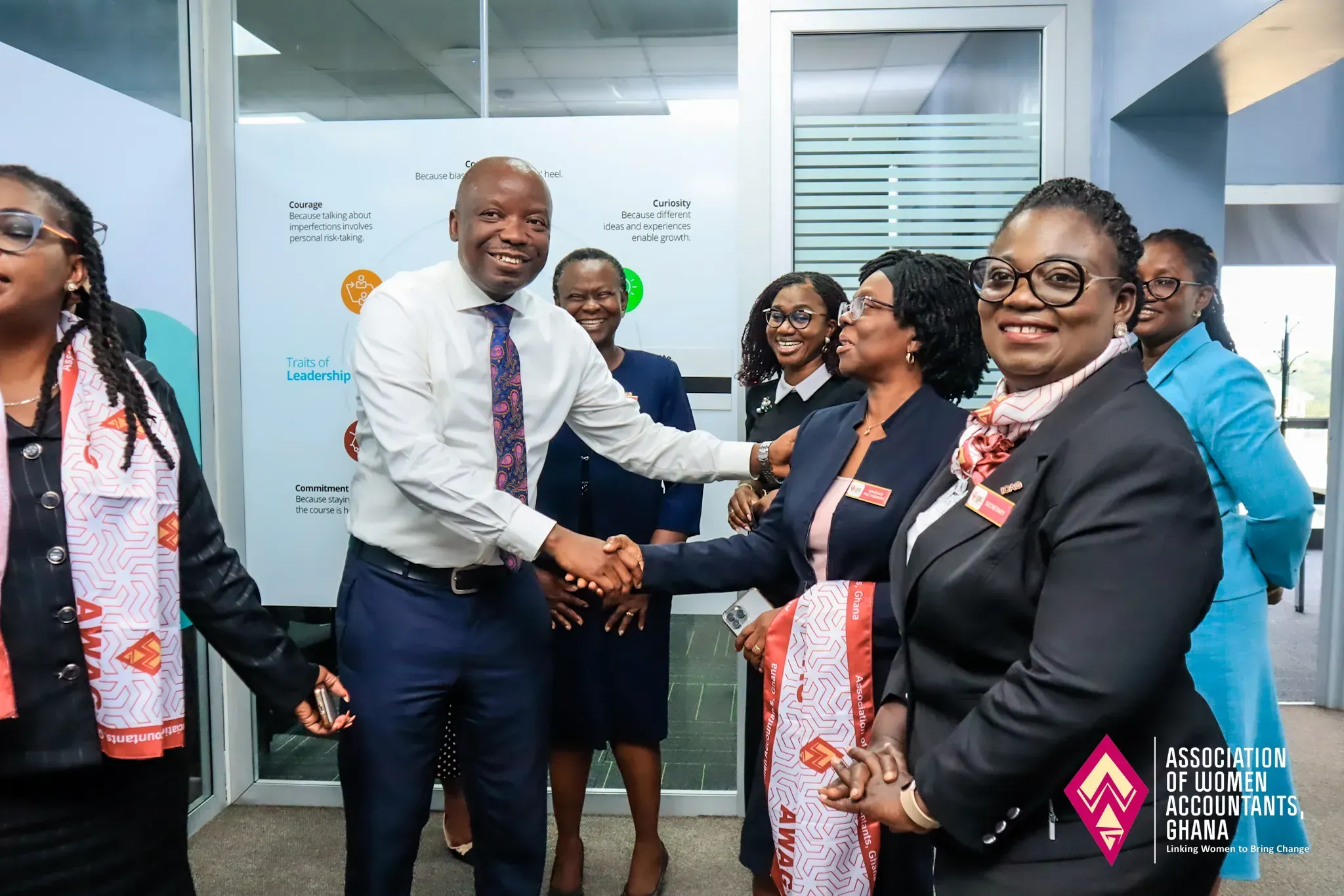
Authors: Kwasi Nyame-Baafi, Joseph Kofi Agyapong Darmoe, Williams Ohemeng, & Michel Adurayi Amenah.
Assessing the effect of energy poverty on health outcomes: insights from Ghana.
This study investigates the impact of energy poverty on health outcomes and healthcare-seeking behaviour. Specifically, it examines the likelihood of illness or injury, the duration of illness as an indicator of healthcare access, and the probability of consulting health practitioners, providing evidence to guide targeted policy interventions. The study utilized data from the Ghana Living Standards Survey (GLSS 7) to examine energy poverty and health outcomes. The Multidimensional Energy Poverty Index (MEPI) was calculated to measure energy poverty among a sample of 7,460 households. Health outcomes were assessed based on the incidence and duration of illness or injury and healthcare-seeking behaviors. To analyze these relationships, econometric models such as binary logistic regression and Poisson regression were employed, with robustness checks conducted using the Lewbel Two-Stage Least Squares (2SLS) method to address potential endogeneity. The study finds that energy poverty is significantly associated with a higher probability of experiencing illness or injury, while paradoxically linked to shorter illness duration. Among poor households, energy poverty significantly reduces the likelihood of consulting a healthcare practitioner. These findings underscore energy poverty’s dual burden: increasing health risks while limiting timely access to care, particularly for the poor. The findings highlight the critical effect of energy poverty on health outcomes in Ghana, particularly among the poorest and most vulnerable populations. Addressing energy poverty requires integrated policies that enhance access to clean and affordable energy while also improving healthcare services and public health education. Targeted interventions for vulnerable groups, including subsidies for clean energy technologies and energy-efficient appliances, are essential. This study calls for a nuanced approach that aligns energy access with public health goals, aiming to improve well-being and reduce health disparities in Ghana.