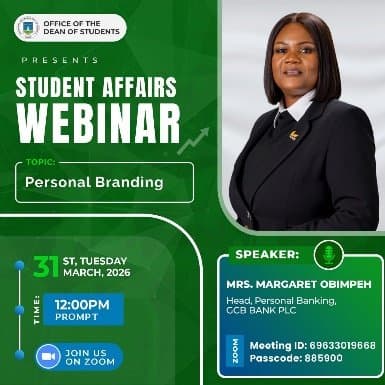
Margaret Obimpeh, Head of Personal Banking at GCB Bank PLC, led a virtual Student Affairs webinar on personal branding on 31 March 2026, helping GIMPA students present themselves effectively in professional and career settings.
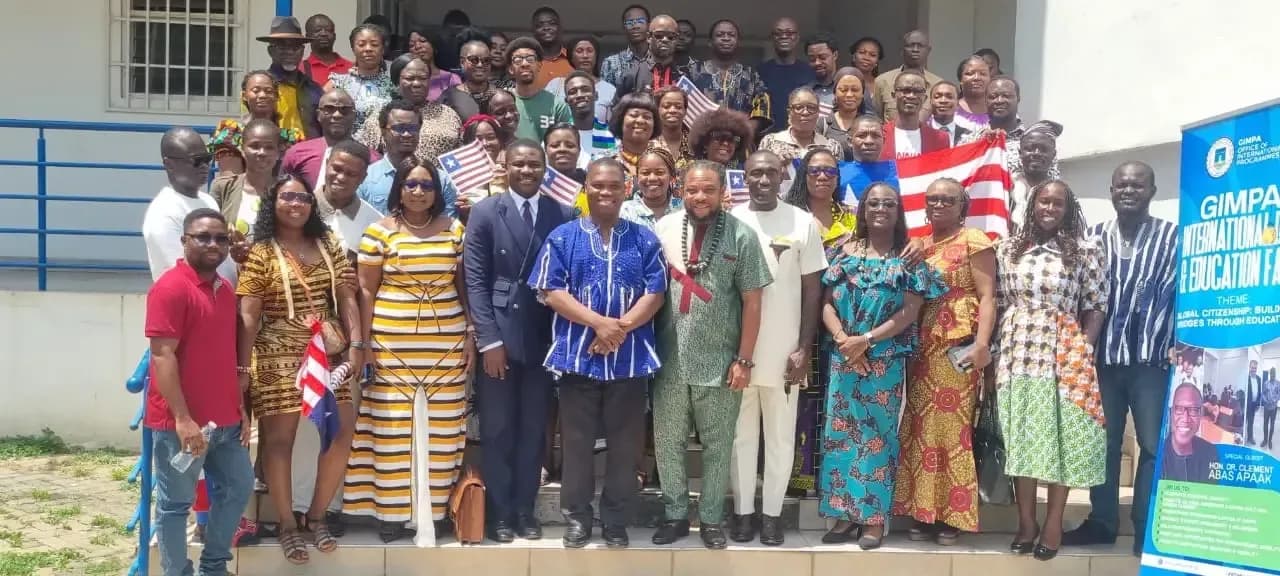
GIMPA’s Office of International Programmes and Development held an International Day and Education Fair at the Moot Court on 25 March 2026 under the theme 'Global Citizenship: Building Bridges Through Education'. The event promoted internationalisation, intercultural engagement and global academic collaboration.
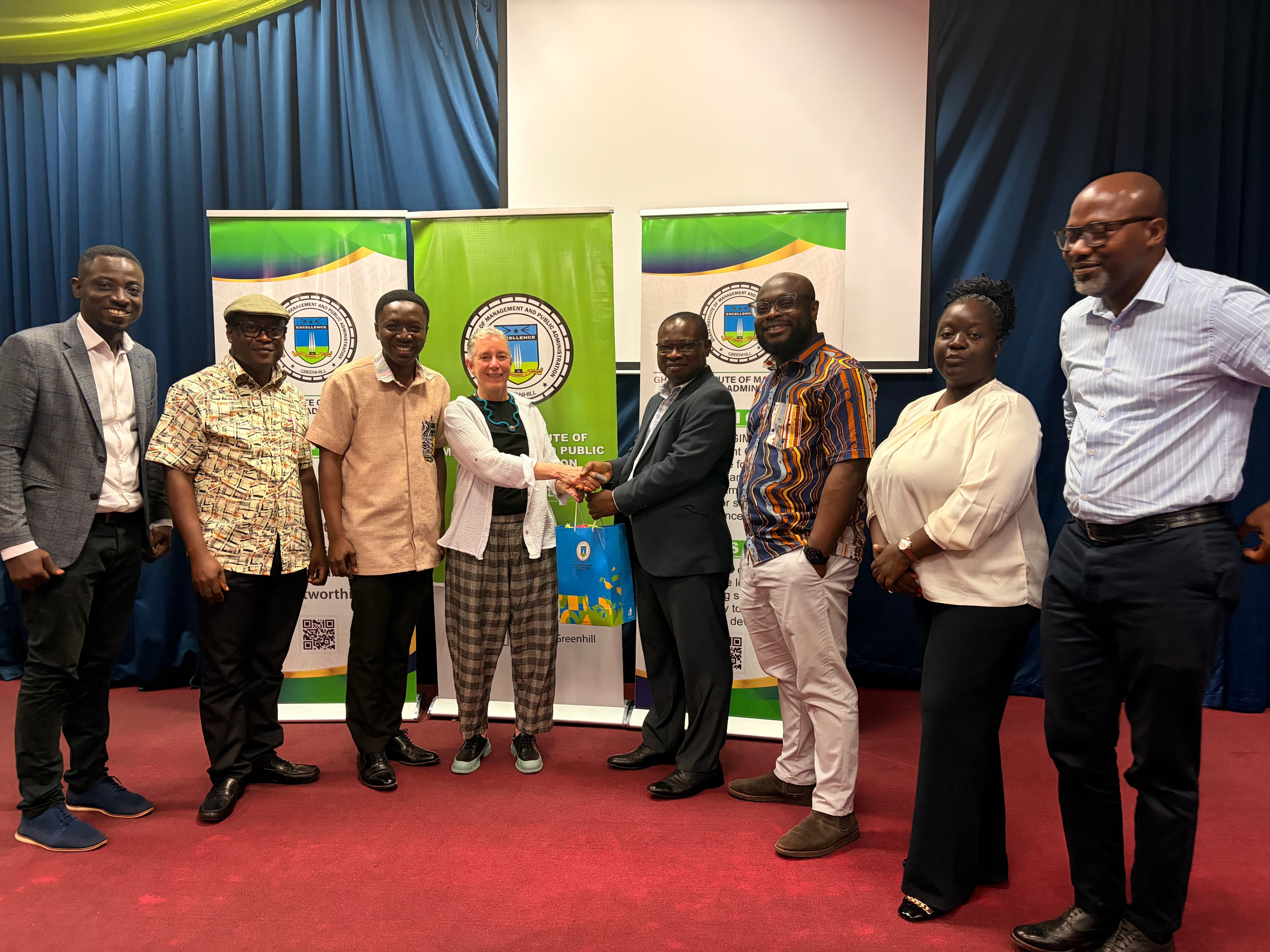
GIMPA’s School of Public Service and Governance and the Ecole Nationale d’Administration of the Democratic Republic of Congo agreed to establish a bilingual Governance School in Kinshasa for Francophone Africa, modelled on GIMPA’s Economic Governance School and planned for the fourth quarter of 2026. Student and faculty exchanges are to begin in September 2026, with an annual bilateral conference from 2027.
GIMPA Training and Consulting offers an online Certificate in Law and Governance running over nine Saturdays from 7 March 2026, for up to 60 participants. The programme covers legal principles, compliance and governance practice for professionals and other individuals.
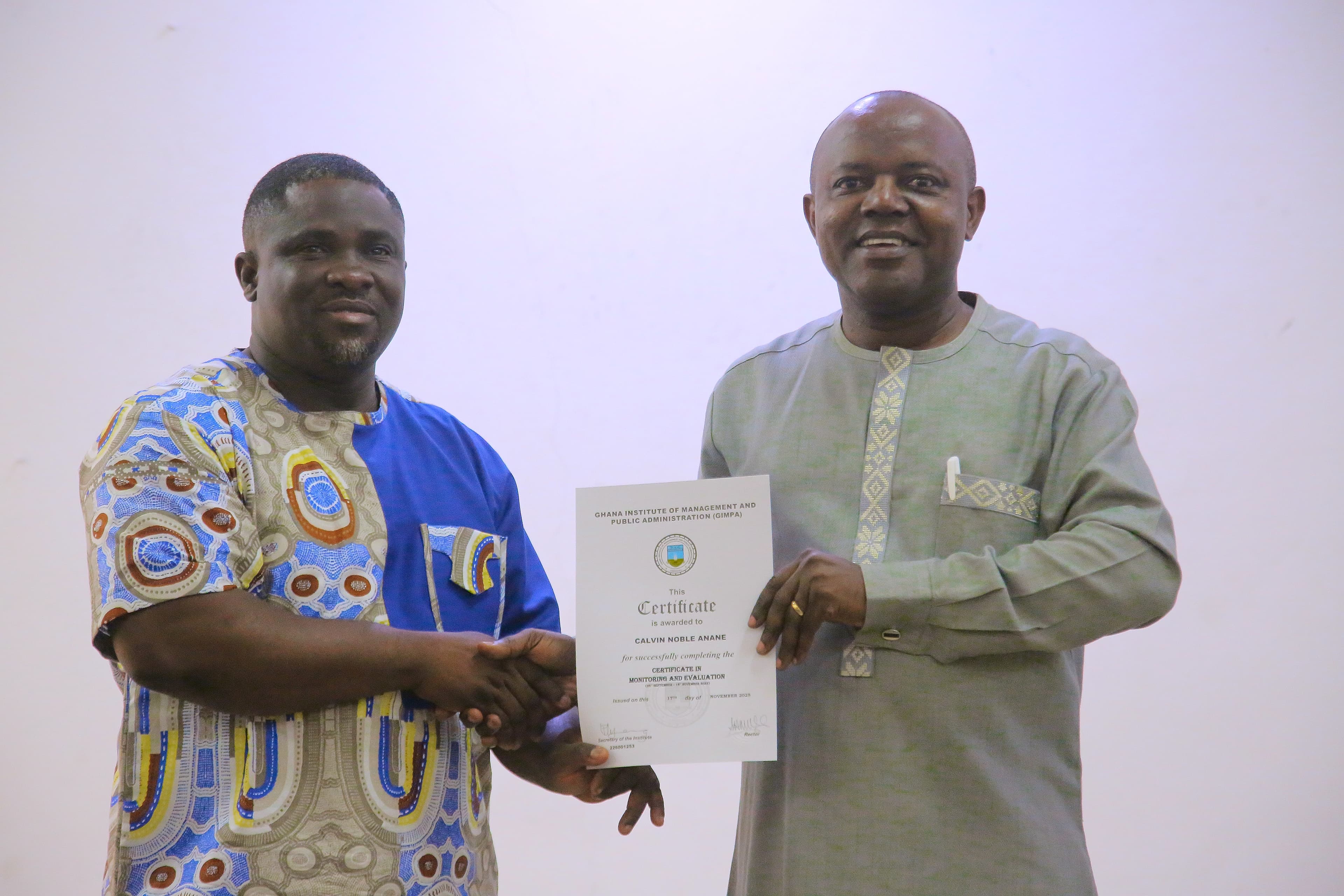
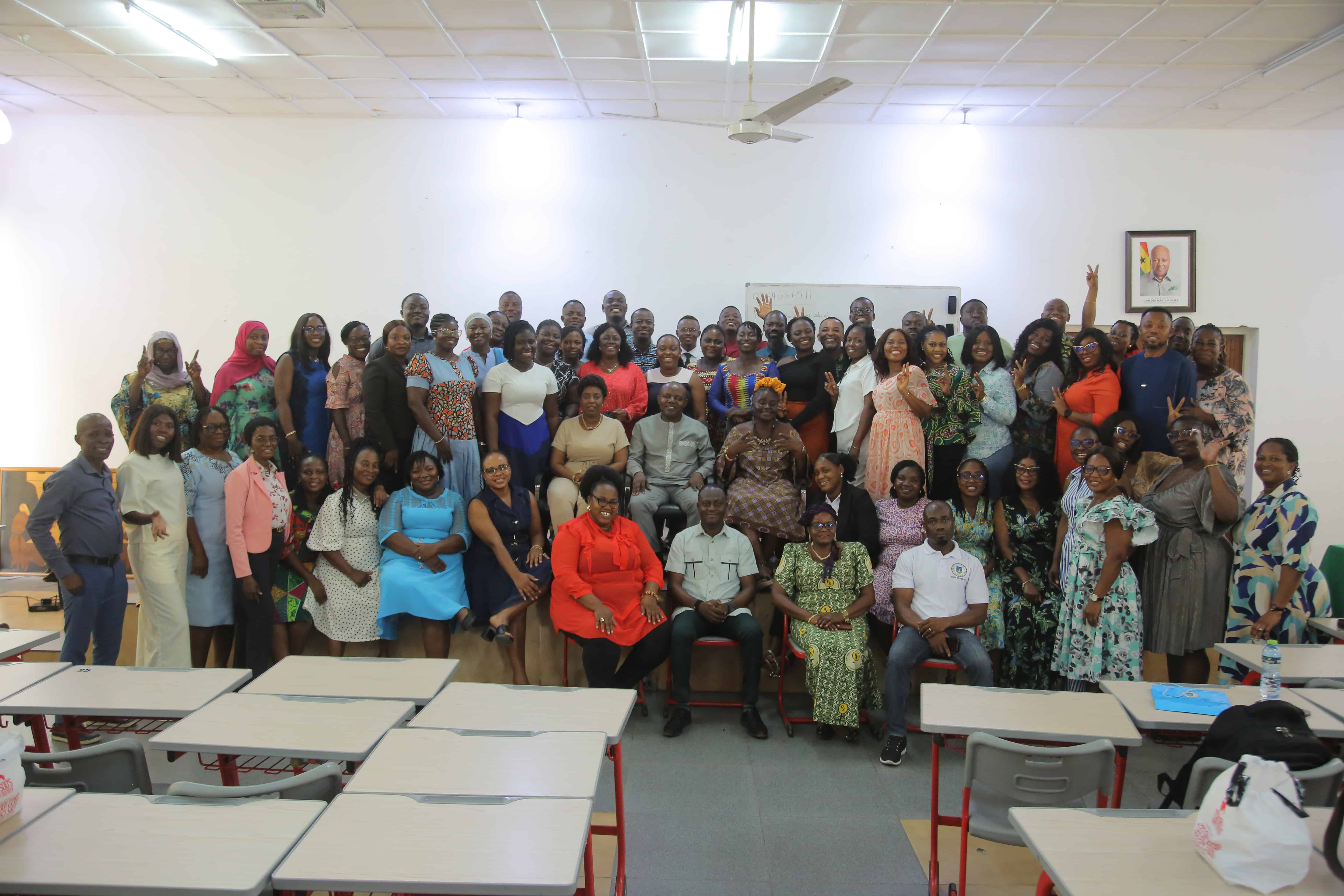
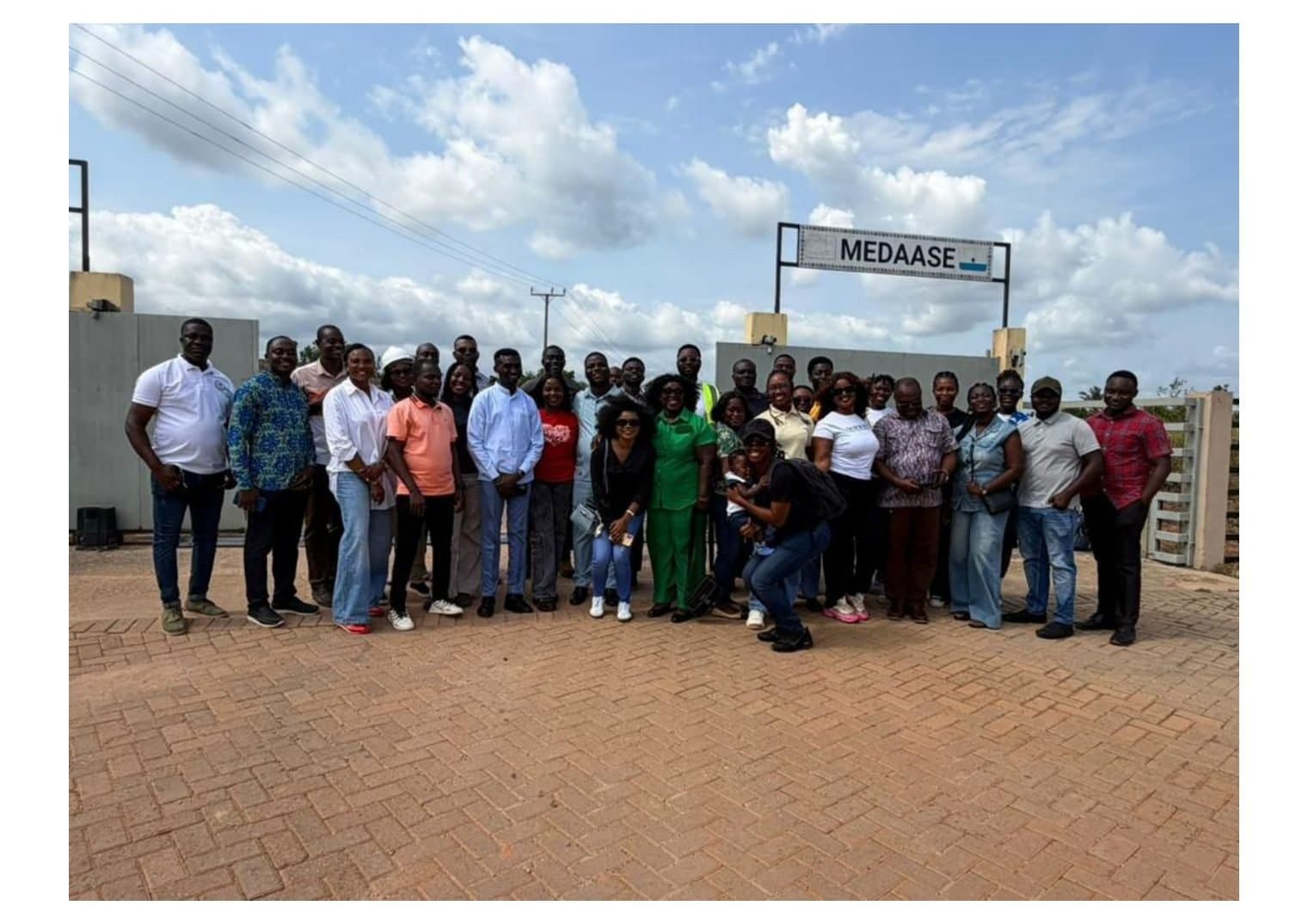
GIMPA Training and Consulting concluded an eight-week programme covering Monitoring and Evaluation, Health Leadership and Administration, and Global Health for professionals from public and private health institutions. The Institute also announced newly developed courses in Bioethics and Clinical Psychology to address healthcare delivery, medical ethics and mental health management.
GIMPA Training and Consulting held a graduation ceremony on 27 February 2026 for 61 health professionals who completed its four-week Health Administration and Management (HAM) programme. Participants came from health facilities across several regions of Ghana. The Director, Prof. Kenneth Ofori-Boateng, urged graduates to drive efficiency and champion quality care in Ghana’s health sector.
GIMPA Training and Consulting offers a four-day course on the science of climate change, its impacts and mitigation and adaptation strategies. It targets environmental science students, climate professionals, policymakers, development planners, NGO representatives and business leaders in climate-affected sectors, with a cohort starting on 23 February 2026.
GIMPA Training and Consulting runs a five-day course on Data Science and Business Analytics Using Python from 23 February to 6 March 2026 at GIMPA Main Campus, for up to 30 participants. Modules cover Python foundations, data wrangling with Pandas, exploratory analysis and visualisation, and statistical analysis; no prior Python experience is required.
Students and staff of GIMPA’s Takoradi Satellite Campus toured Abave Inspections Ghana at Ahanta West on 13 February 2026 to see industry standards, safety protocols and operations at first hand, and honoured the company’s chief executive, Yaa Amoako-Adu, with a citation.
GIMPA held a two-day Leadership and Health Resilience Seminar for staff, management, health-sector stakeholders, alumni and students, led by Professor Jill Klein of Melbourne Business School and Melbourne Medical School. Sessions covered resilience in leadership, stress management, learning from mistakes, a growth mindset and mental and emotional well-being.
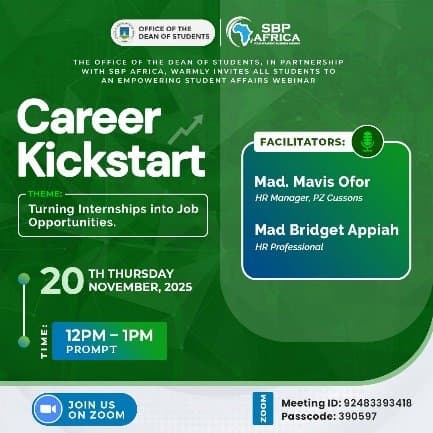
In partnership with SBP Africa, the Office of the Dean of Students ran the Career Kickstart webinar on 20 November 2025, with HR professionals Mavis Ofori of PZ Cussons and Bridget Appiah showing students how to convert internship experience into full-time employment.
A study by Francis Clottey Odonkor and Prof. Stephen T. Odonkor, published in Crop Protection and featured in GIMPA’s Research Newsletter (March 2026), surveyed 1,484 vegetable farmers on pesticide use. It reports that 75.9% used suitable pesticides while 70% acknowledged negative health effects, and documents unsafe disposal such as burning containers (56.9%).
The Office of the Dean of Students hosted a Curriculum Vitae Masterclass at GIMPA Business School on 10 November 2025, where career readiness consultant Comfort Sey Yankey of CSY HR Services showed students how to write effective, competitive CVs.
The GIMPA Case Study Hub partnered with the 39 Country Initiative of Ivey Business School, Canada, to host a half-day workshop on 4 November 2025 at the Daniel McKorley Moot Court. The workshop was designed to equip faculty with skills in case-based teaching and case writing, with practical guidance on integrating the case method into teaching and learning.
Michael Danquah and Williams Ohemeng of GIMPA, with Bazoumana Ouattara and Alfred Barimah, examined how climate variability affects labour productivity across municipalities in the Accra city region, combining enterprise survey data, sub-city climate data and interviews with firms and city authorities. Rainfall, a major source of vulnerability in the city, significantly reduces labour productivity.
The African Centre of International Criminal Justice at GIMPA Law School launched the maiden edition of the African Journal of International Criminal Justice on 30 October 2025 at the Dr Daniel McKorley Moot Courtroom. The journal is intended as a platform for scholarship on international criminal law and justice issues affecting Africa.
GIMPA Law School signed a three-year memorandum of understanding with the Presidency of the Dominican Republic and the Leitner Center for International Law at Fordham University on prison reform and criminal justice. It covers joint research, training of prison and judicial officials and technical assistance, with a focus on pretrial detainees and rehabilitation and social reintegration.
GIMPA was one of eight institutions in Accra chosen for the UN in Ghana’s '8 Trees for 8 Decades’ symbolic tree planting marking the 80th anniversary of the United Nations. Deputy Rector Prof. Ebenezer Adaku represented the Institute; seedlings of fruit and indigenous species were supplied by the Forestry Commission and custodianship of the trees was assigned to host institutions.
GIMPA Training and Consulting runs a two-week Women in Management (WIM) Senior Level programme, with a cohort starting on 7 October 2025. The course is designed for women in leadership roles and aspiring managers, and aims to build a leadership foundation and the confidence to navigate leadership roles while exploring styles aligned with personal strengths and values.
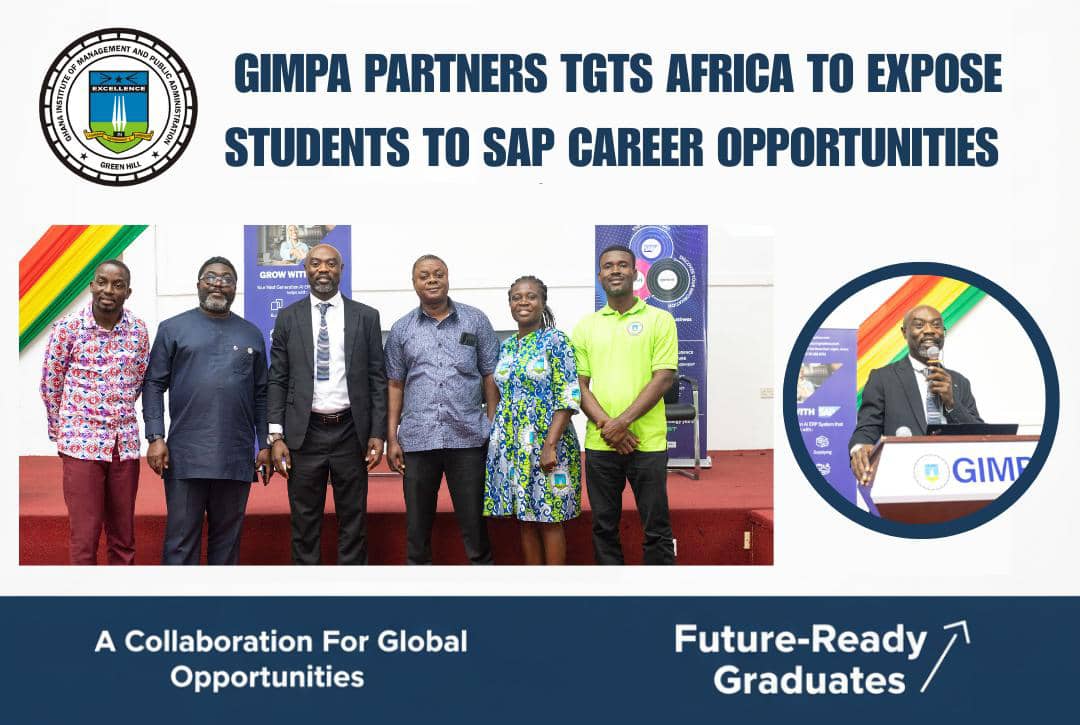
GIMPA Business School, the School of Technology and Social Sciences and the GIMPA Hub for Teaching and Learning partnered with TGTS Africa, an SAP partner in Ghana, to expose students to SAP career opportunities and facilitate free SAP training and certification. The collaboration is part of GIMPA’s agenda to align programmes with industry demand.
Raphael Aryee, Ebenezer Adaku and colleagues at GIMPA studied the role of organisational citizenship behaviour and green human resource management in circular economy practices, using data from 196 manufacturing firms in Ghana. The study is featured in the GIMPA Research Newsletter (March 2026) alongside the team’s earlier work on reverse logistics decision frameworks.
Development Impact West Africa, a partnership between GIMPA and the Center for Effective Global Action, hosted the 2025 Development Impact Summit in Accra on 26 and 27 August 2025, themed 'Advancing Evidence-Informed Policymaking for Sustainable Development in West Africa'. Presentations included the impact of Ghana’s free maternal health policy on infant and child feeding, and irrigation for smallholder farmers.
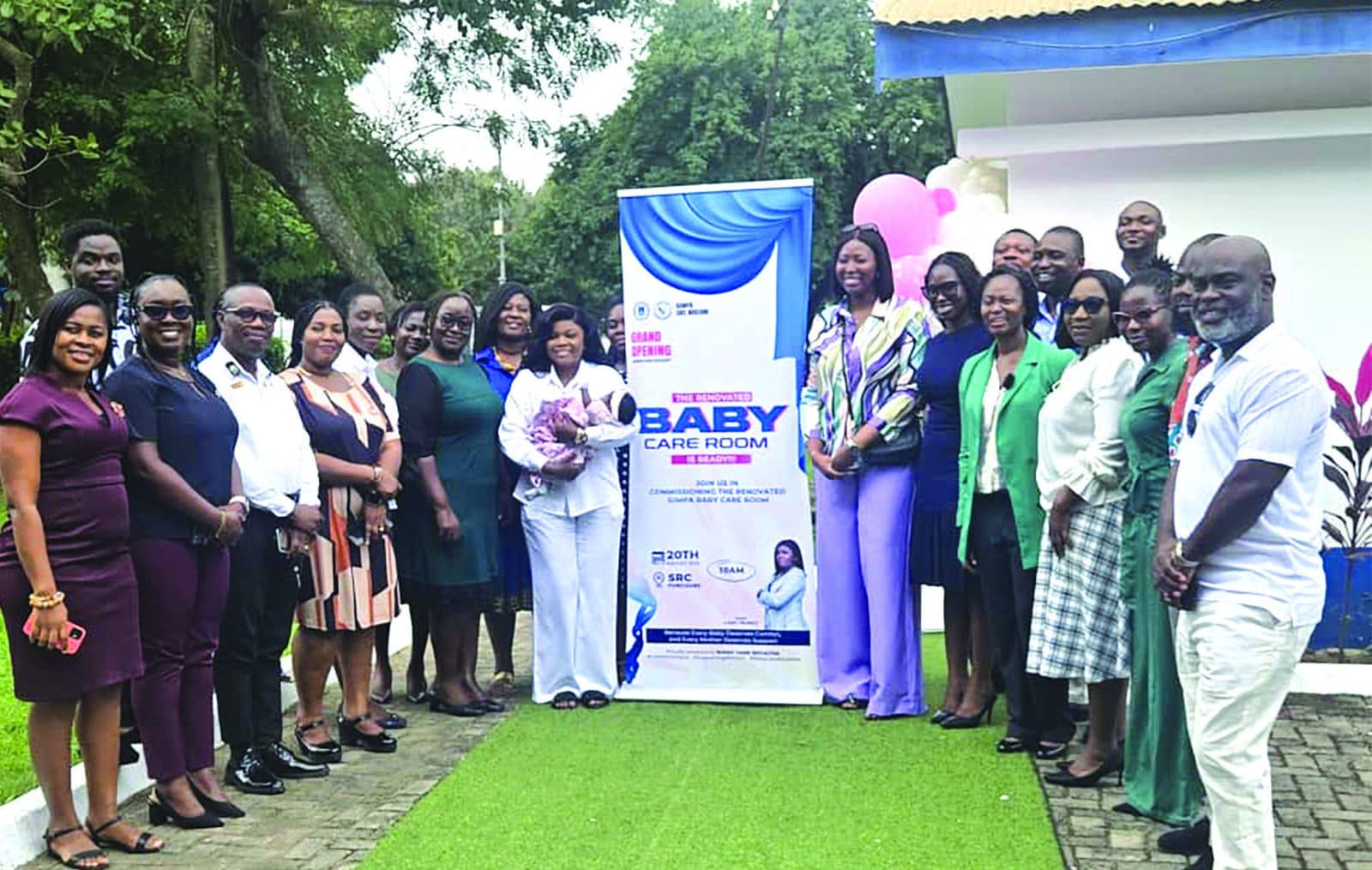
On 20 August 2025 the Students’ Representative Council commissioned a Baby Care Room at the Procurement Block to support the childcare needs of students and staff. The facility was initiated and renovated under the SRC Women’s Commissioner for 2024/2025, and the Secretary of the Institute described it as a demonstration of the SRC’s commitment to inclusivity for parents balancing study and family.
GIMPA’s Research Newsletter (March 2026) features 'Adoption Patterns and Impact of Digital Technologies Among Ghanaian Market Women' by Theresa Mannah Blankson and co-authors, using World Bank informal-sector survey data. It reports digital adoption of 68% for female-led businesses against 74% for male-led ones, with labour productivity gains of 107% for female-owned businesses that adopted.