GTC professional short courses
Short courses and certificates for working professionals run by GIMPA Training and Consulting, from health management and renewable energy to data science, law and climate change.
SDG 13
Take urgent action to combat climate change and its impacts.
Short courses and certificates for working professionals run by GIMPA Training and Consulting, from health management and renewable energy to data science, law and climate change.

Policy dialogue, policy briefs and courses on energy and water regulation, run with the Public Utilities Regulatory Commission.
A postgraduate programme in energy economics offered by the Department of Economics and Applied Mathematics.
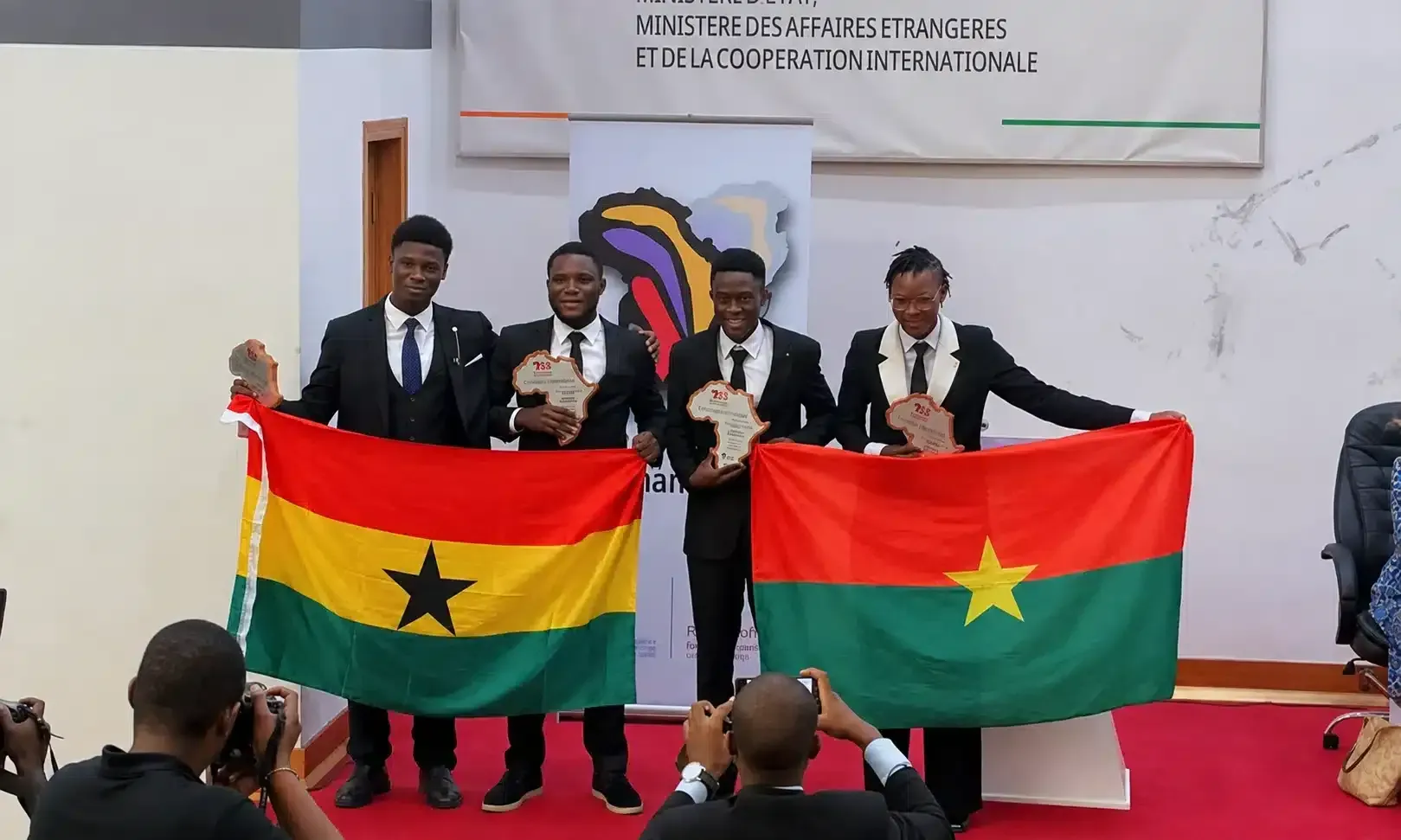
Access-to-justice partnerships, conferences, moot court competitions and journals led by the GIMPA Law School.
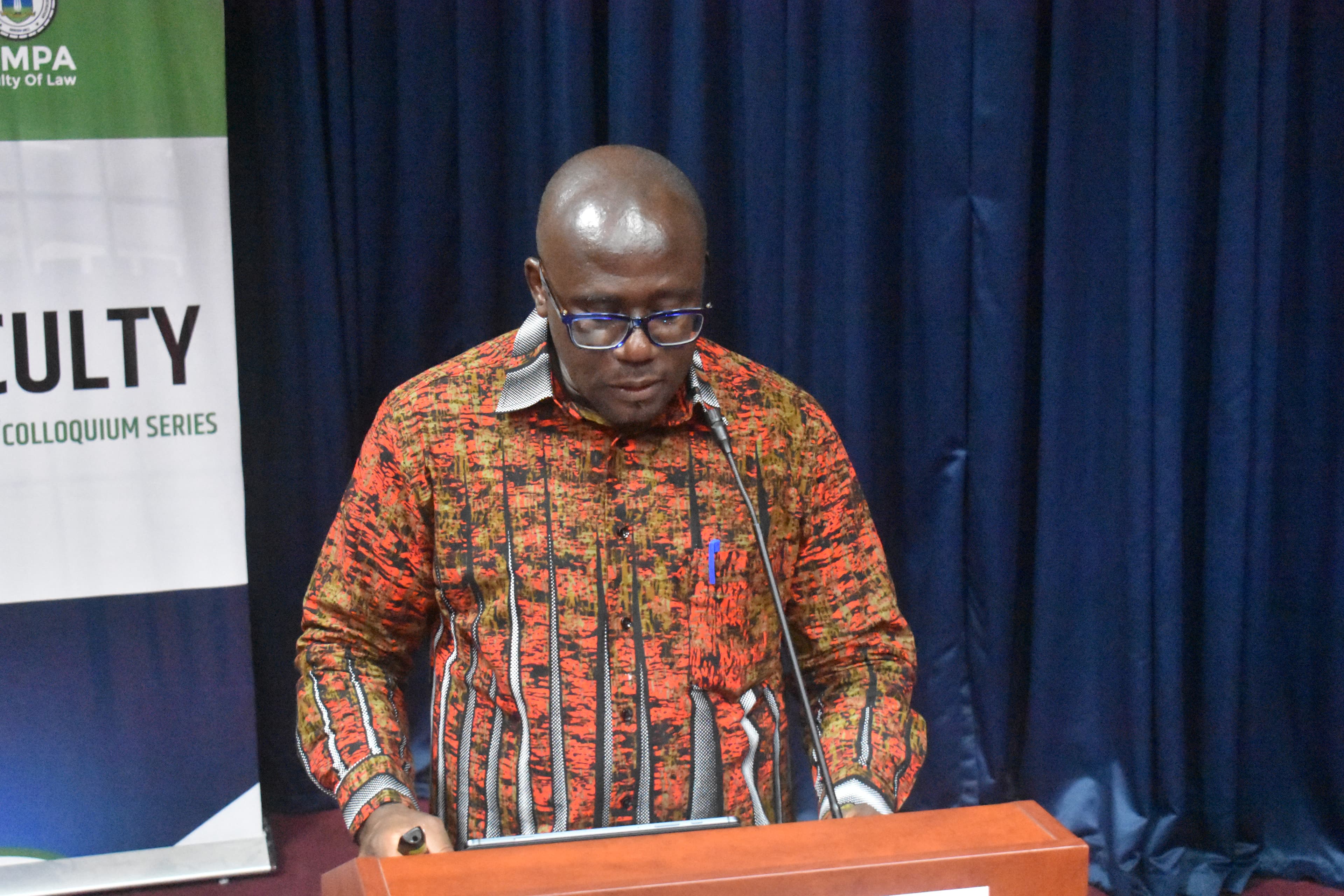
Documentaries, contests, seminars and tree planting that bring young people into climate and environmental action.
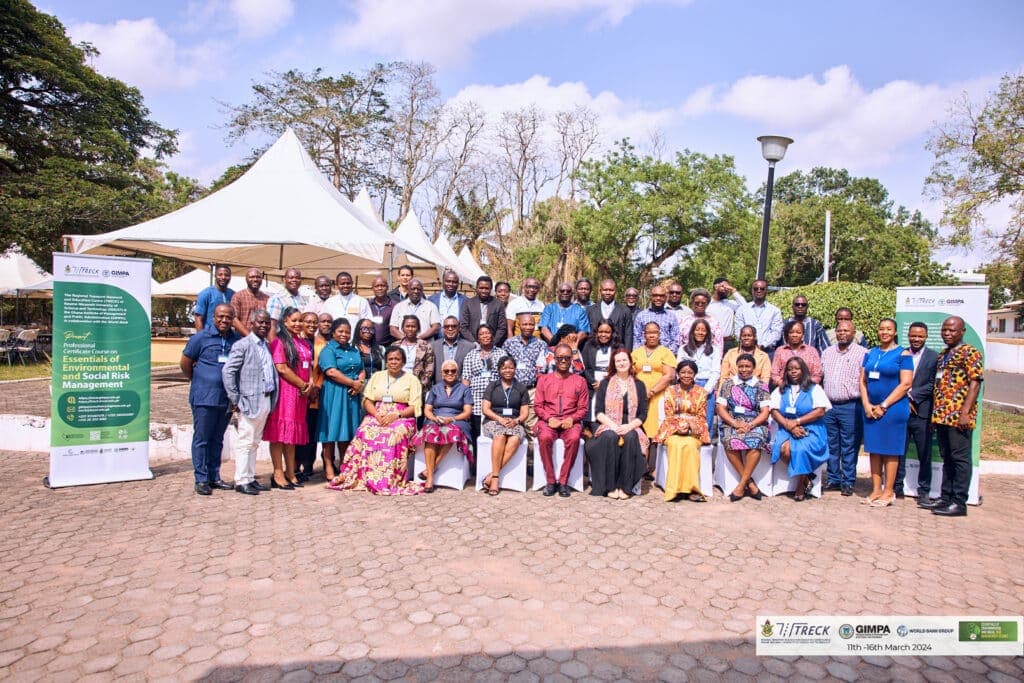
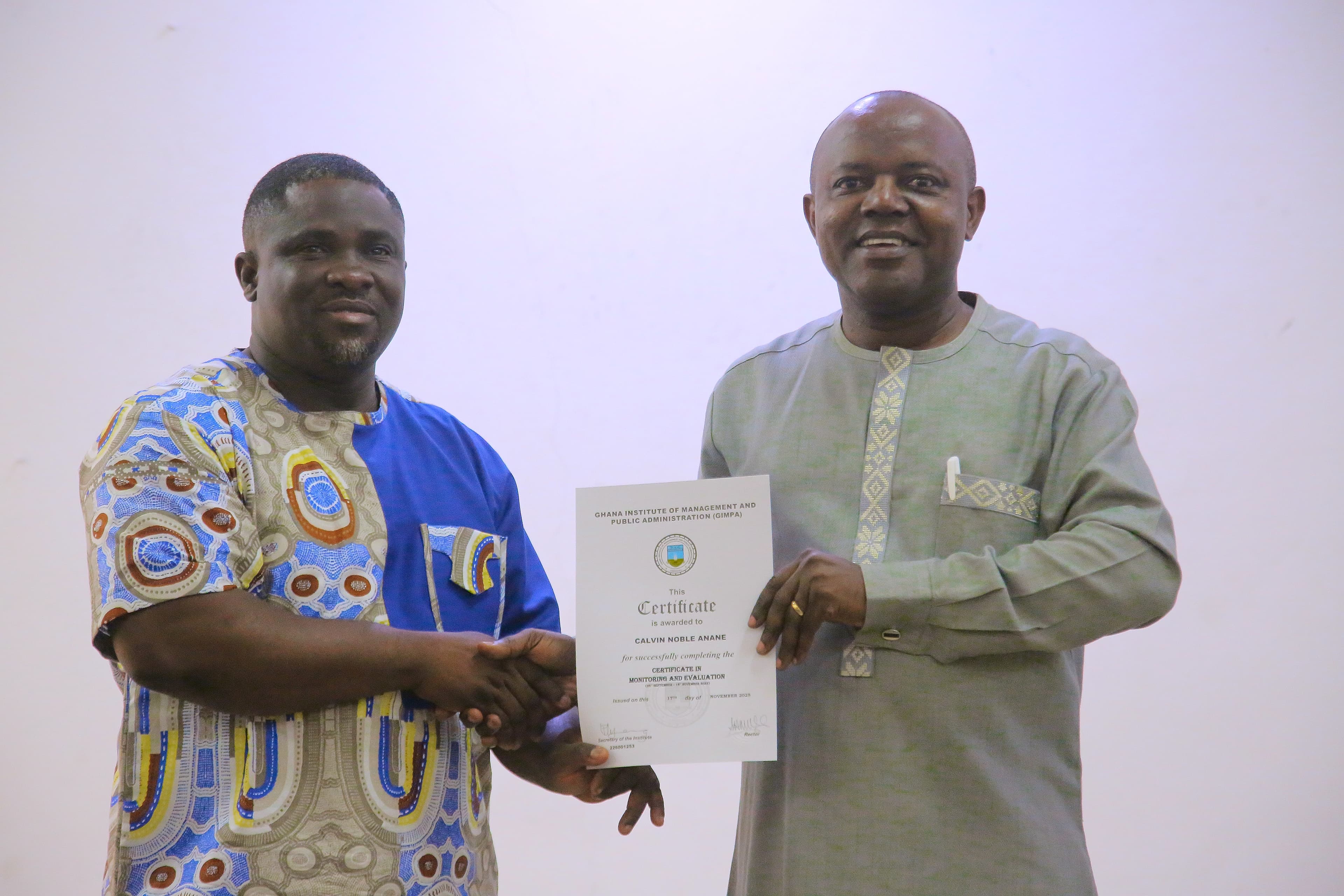
A six-day certificate course helped project implementers understand environmental and social risks in development projects.
GIMPA Training and Consulting ran a four-day short course on Renewable Energy Project Planning and Management, with a cohort starting on 4 May 2026 and a maximum of 15 participants.
The second edition of Eco-Africa Network’s Climate Justice Conference was held on 20 April 2026 under the theme 'Galamsey and the Environment', with the GIMPA School of Law among the co-organising partners. Sessions examined illegal mining as a threat to the environment and public health, its effects on agriculture, water and food systems, and youth unemployment as a driver of the practice.
GIMPA Training and Consulting offers a four-day course on the science of climate change, its impacts and mitigation and adaptation strategies. It targets environmental science students, climate professionals, policymakers, development planners, NGO representatives and business leaders in climate-affected sectors, with a cohort starting on 23 February 2026.
Michael Danquah and Williams Ohemeng of GIMPA, with Bazoumana Ouattara and Alfred Barimah, examined how climate variability affects labour productivity across municipalities in the Accra city region, combining enterprise survey data, sub-city climate data and interviews with firms and city authorities. Rainfall, a major source of vulnerability in the city, significantly reduces labour productivity.
GIMPA was one of eight institutions in Accra chosen for the UN in Ghana’s '8 Trees for 8 Decades’ symbolic tree planting marking the 80th anniversary of the United Nations. Deputy Rector Prof. Ebenezer Adaku represented the Institute; seedlings of fruit and indigenous species were supplied by the Forestry Commission and custodianship of the trees was assigned to host institutions.
GIMPA researchers Mohammed Armah, Ebenezer Bugri Anarfo, Emmanuel Numapau Gyamfi and Godfred Amewu examined whether financial market stress affects renewable energy investment in BRICS economies over 1998 to 2021. They found financial stress adversely affects renewable energy investment during extreme downturns. The paper is featured in the GIMPA Research Newsletter (March 2026).
Dr Gamel Abdul-Nasser Salifu of the Department of Economics and Applied Mathematics published 'Synergies and trade-offs of sustainable agricultural practices for improved food security in a developing country: a systematic review' in Cogent Food & Agriculture. The review screened about 1,000 articles, of which 120 met the selection criteria, and maps six research fields.
GIMPA Law School convened its two-day 2025 Law Conference on 3 and 4 April 2025 at the Dr. Daniel McKorley Moot Court on the theme 'Climate Justice in Ghana: The Role of Law and Policy Towards Sustainable Development'. The Dean, Dr Kwaku Agyeman-Budu, announced plans for climate law courses at LL.B and LL.M levels and a dedicated Research Centre on Climate Law. The Minister of State for Climate Change and Sustainability also spoke.
The GIMPA-PURC Centre of Excellence in Public Utility Regulation (CEPUR) hosted a policy dialogue themed 'Accelerating Energy Transition in Ghana' on 5 March 2025. The Minister for Energy and Green Transition, John Abdulai Jinapor, delivered the keynote and announced plans for a Renewable Energy and Green Transition Fund; speakers included the Energy Commission and GRIDCo.
GIMPA hosted a screening of a climate change documentary produced by young filmmakers of the Ghana Youth Videography Programme, a collaboration with the UN Framework Convention on Climate Change, Wilfrid Laurier University and the Youth Climate Report. The Rector, Prof. Samuel Bonsu, said climate issues had become a significant concern needing urgent attention.
GIMPA hosted the Ghana Youth Video Programme, screening a climate change documentary made by young Ghanaian filmmakers, followed by a panel discussion with environmentalists and academics. Partners were the UN Framework Convention on Climate Change, Wilfrid Laurier University and the Youth Climate Report; the filmmakers’ stories were intended for presentation at COP28 in Dubai.