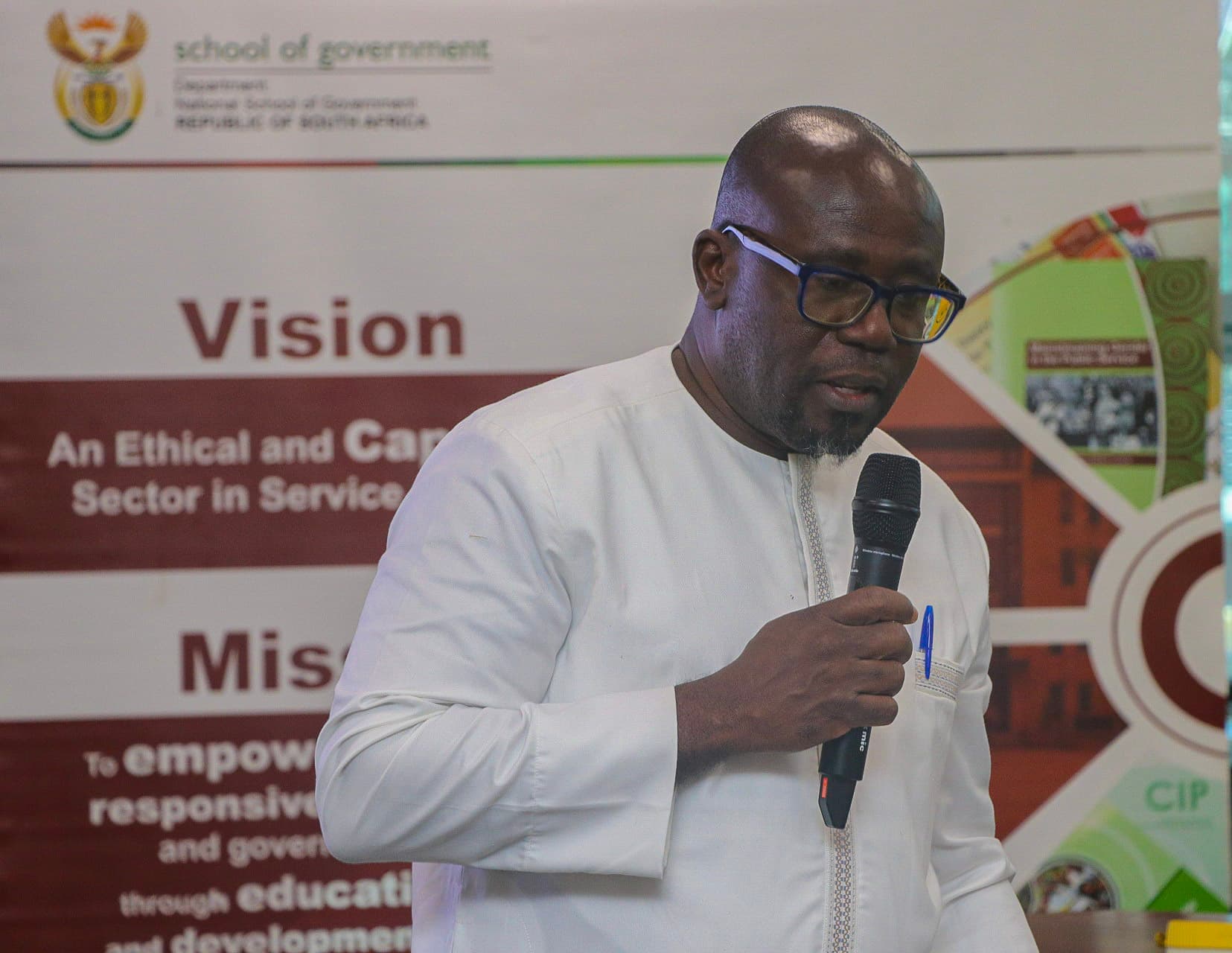
GIMPA, the National School of Government (South Africa) and the Kenya School of Government jointly run the Economic Governance School for senior public officials. The second module took place at the NSG in Johannesburg in August 2025 with 46 participants, including Deputy Ministers, MECs and Heads of Departments from Kenya, Ghana and South Africa; a third module followed in Nairobi in October 2025.
The GIMPA Hub for Teaching and Learning ran virtual Learning Management System training sessions on 28 July and 5 August 2025 for faculty and administrators from all GIMPA schools and departments. The sessions aimed to build capacity to deliver and manage learner-centred instruction on the LMS ahead of the new academic year, with follow-up clinics planned.
The GIMPA Research Newsletter (Volume 2, Issue 2, June 2026) features a study by Kwasi Nyame-Baafi, Joseph Kofi Agyapong Darmoe, Williams Ohemeng and Michel Adurayi Amenah assessing the effect of energy poverty on health outcomes and healthcare-seeking behaviour in Ghana. It calls for integrated policies that expand access to clean, affordable energy.
The GIMPA Research Newsletter (Volume 2, Issue 1, March 2026) features a Springer article by Masud Ibrahim, Coffie Emmanuel, Dora Yeboah and Aaron Kumah on the influence of digital technologies on quality service delivery in the public sector, finding a significant positive relationship between digital technology adoption and service quality.
GIMPA researchers Mohammed Armah, Ebenezer Bugri Anarfo, Emmanuel Numapau Gyamfi and Godfred Amewu examined whether financial market stress affects renewable energy investment in BRICS economies over 1998 to 2021. They found financial stress adversely affects renewable energy investment during extreme downturns. The paper is featured in the GIMPA Research Newsletter (March 2026).
Dr Gamel Abdul-Nasser Salifu of the Department of Economics and Applied Mathematics published 'Synergies and trade-offs of sustainable agricultural practices for improved food security in a developing country: a systematic review' in Cogent Food & Agriculture. The review screened about 1,000 articles, of which 120 met the selection criteria, and maps six research fields.
The Minister for Fisheries and Aquaculture, Emelia Arthur, inaugurated a ten-member governing board of Ghana’s Fisheries Commission chaired by Prof. Wisdom Akpalu of GIMPA, an environment and natural resource economist. The board has a four-year mandate to oversee the strategic direction and governance of the sector; the Minister called for a sustainable, well-governed and resilient fisheries sector.
The GIMPA-PURC Centre of Excellence in Public Utility Regulation scheduled three water courses in 2025: Regulation of Water Services and Performance Management (5–9 May), Water Sector Management and Leadership (25–29 August) and Water Economics, Regulation and Policy (6–10 October), alongside executive certificates in water management and leadership.
The GIMPA Research Newsletter (September 2025) features a UNU-WIDER study by Daniel Chachu, Michael Danquah and Rachel Gisselquist proposing a measure of local government performance in Ghana using 2016 and 2020 data. It finds improving administrative reporting but generally low subnational institutional performance, with implications for decentralisation reform.
GIMPA hosted the first annual conference of the African Management Development Institutes Network at the GIMPA Executive Conference Centre, Achimota, from 28 to 30 April 2025. The theme was 'Enhancing Governance and Public Administration in Times of Polycrises Through Collaboration, Policy, Evidence, Technology (AI) and Innovation for Service Delivery'.
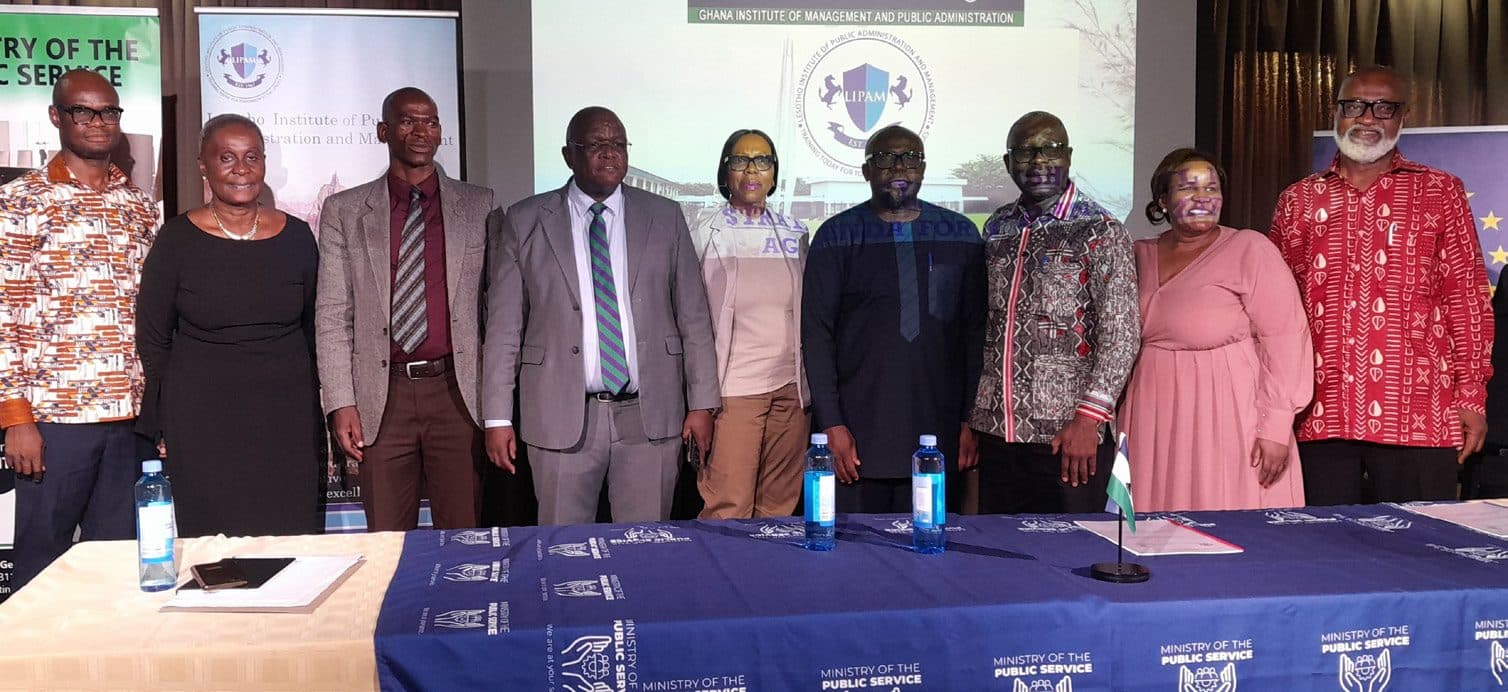
GIMPA and the Lesotho Institute of Public Administration and Management signed a memorandum of understanding in Maseru on 10 April 2025 to collaborate on public sector reform, capacity building and institutional development. The Lesotho Minister of Public Service, Stephen Mpuntu, pledged support for LIPAM’s institutional strengthening under the partnership.
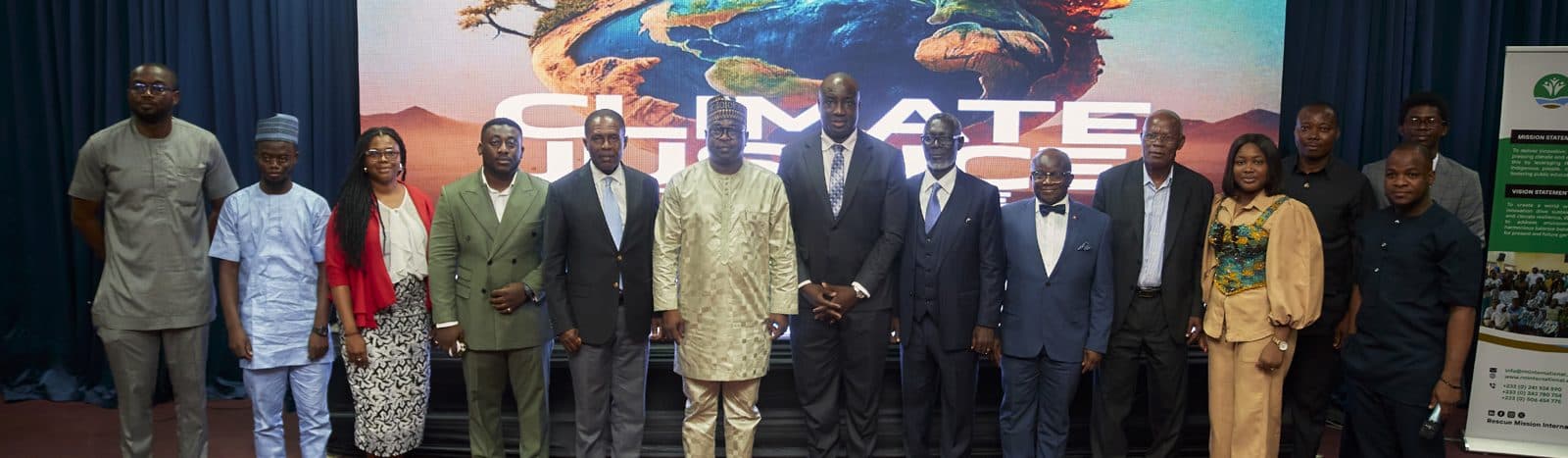
GIMPA Law School convened its two-day 2025 Law Conference on 3 and 4 April 2025 at the Dr. Daniel McKorley Moot Court on the theme 'Climate Justice in Ghana: The Role of Law and Policy Towards Sustainable Development'. The Dean, Dr Kwaku Agyeman-Budu, announced plans for climate law courses at LL.B and LL.M levels and a dedicated Research Centre on Climate Law. The Minister of State for Climate Change and Sustainability also spoke.
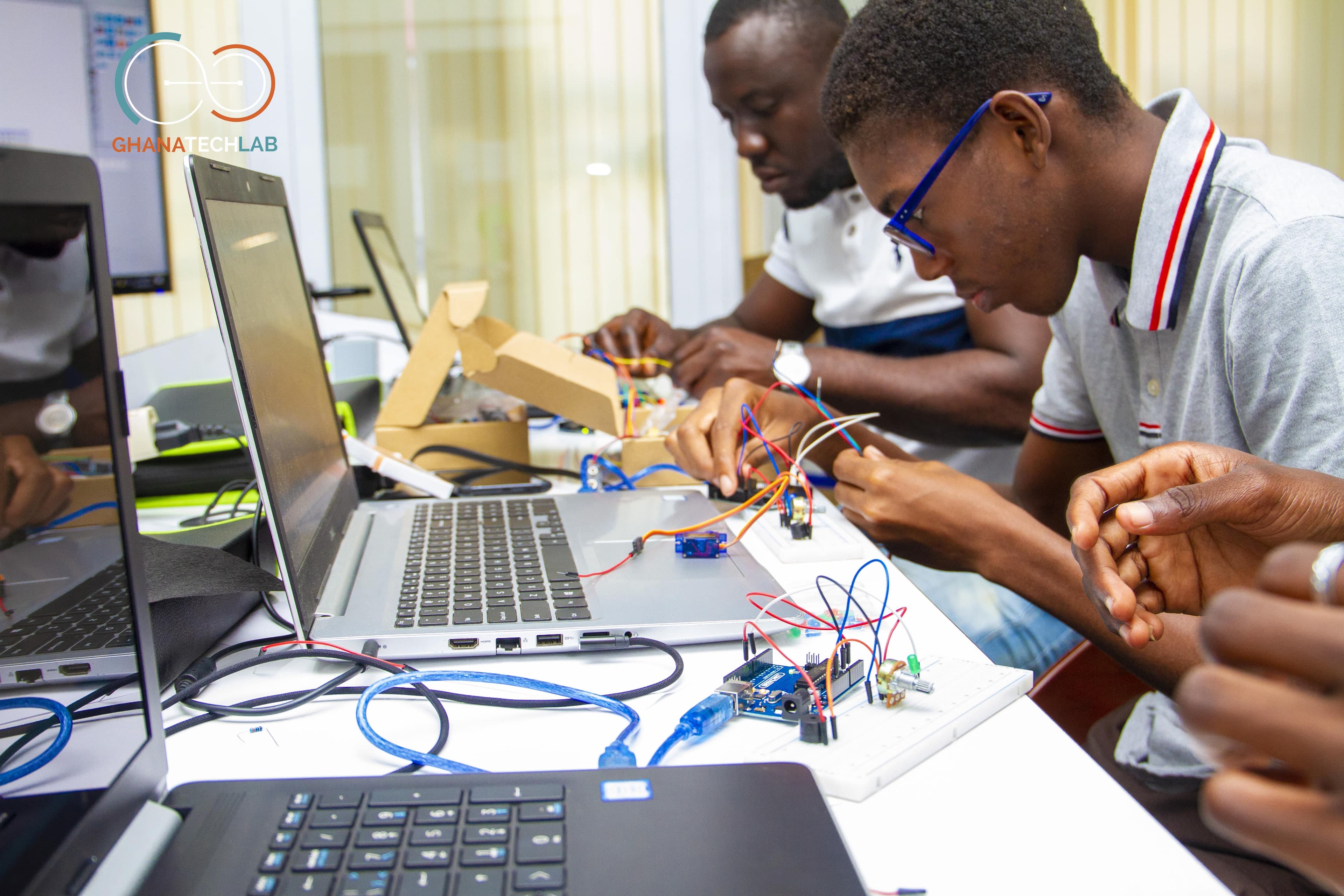
Team CIC, four students from GIMPA’s School of Technology and Social Sciences mentored by Dr Nana Assyne, won first place at the StudentPreneur African Network Hackathon held on 6-7 March 2025. Their prototype was designed to minimise academic credential fraud in African universities.
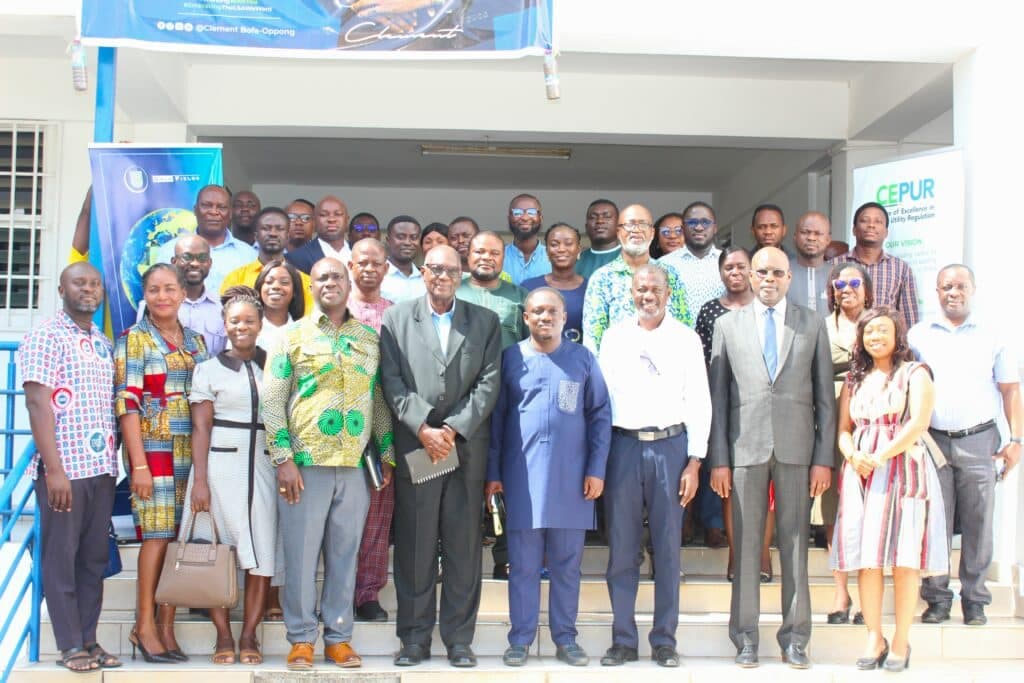
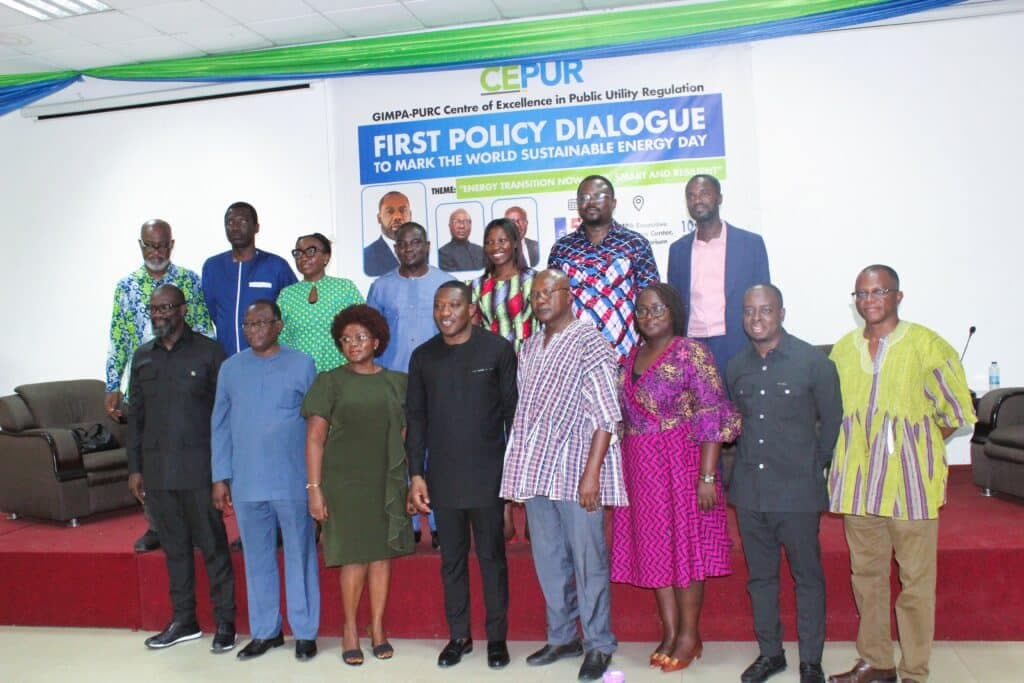
The GIMPA-PURC Centre of Excellence in Public Utility Regulation (CEPUR) hosted a policy dialogue themed 'Accelerating Energy Transition in Ghana' on 5 March 2025. The Minister for Energy and Green Transition, John Abdulai Jinapor, delivered the keynote and announced plans for a Renewable Energy and Green Transition Fund; speakers included the Energy Commission and GRIDCo.
In March 2025 the Public Utilities Regulatory Commission, which regulates Ghana’s electricity and water utilities, launched strategic partnerships with GIMPA, UPSA, the International Growth Centre and the African Forum for Utility Regulators. The partnerships are intended to produce research, policy dialogue and training in emerging regulatory areas.
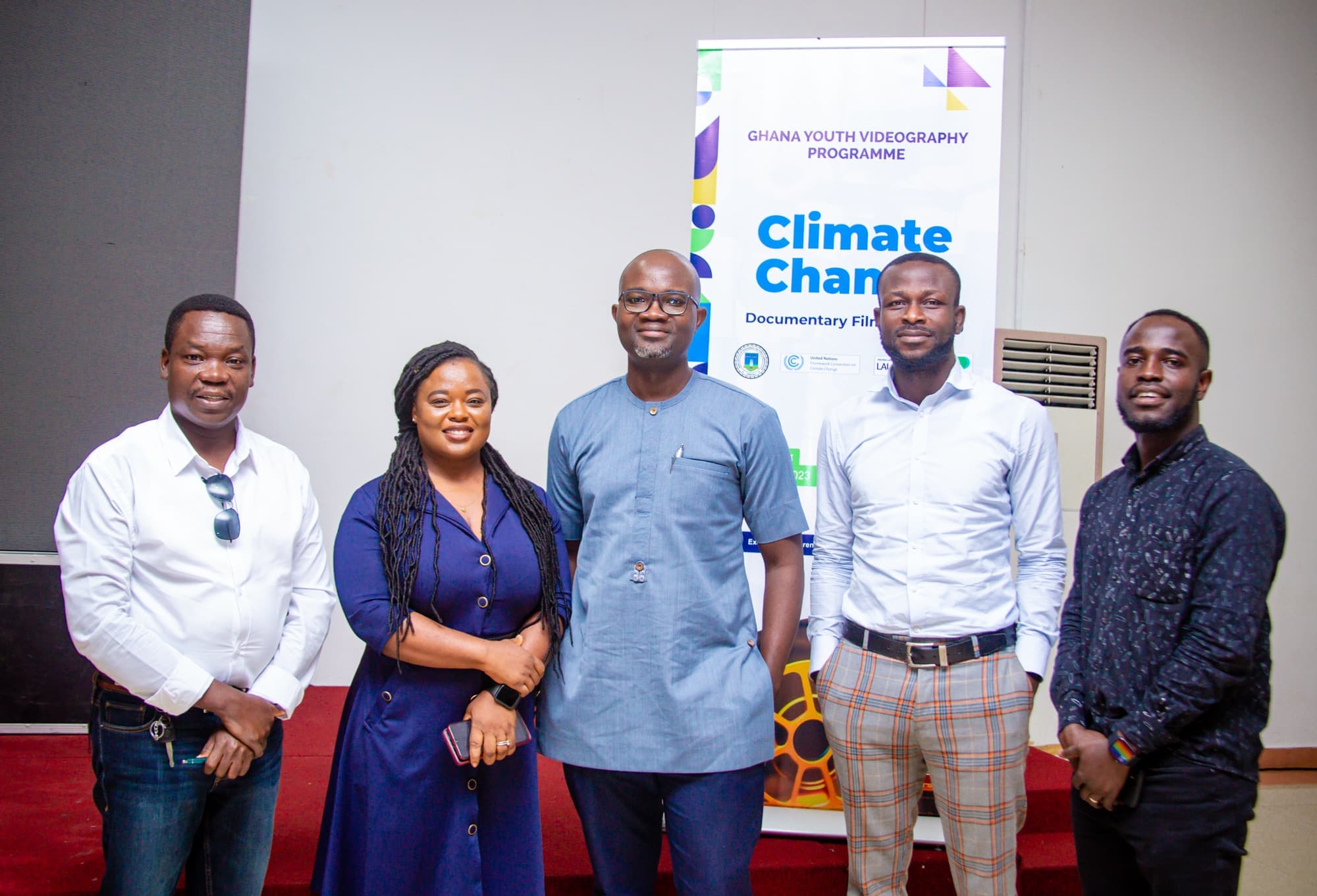
GIMPA hosted a screening of a climate change documentary produced by young filmmakers of the Ghana Youth Videography Programme, a collaboration with the UN Framework Convention on Climate Change, Wilfrid Laurier University and the Youth Climate Report. The Rector, Prof. Samuel Bonsu, said climate issues had become a significant concern needing urgent attention.
The International Criminal Court renewed its cooperation agreement with GIMPA on 4 December 2024 in The Hague for a further five years, sustaining internships, visiting professionals, seminars, research and scholarship opportunities for the LL.M in International Criminal Law and Justice through the African Centre of International Criminal Justice.
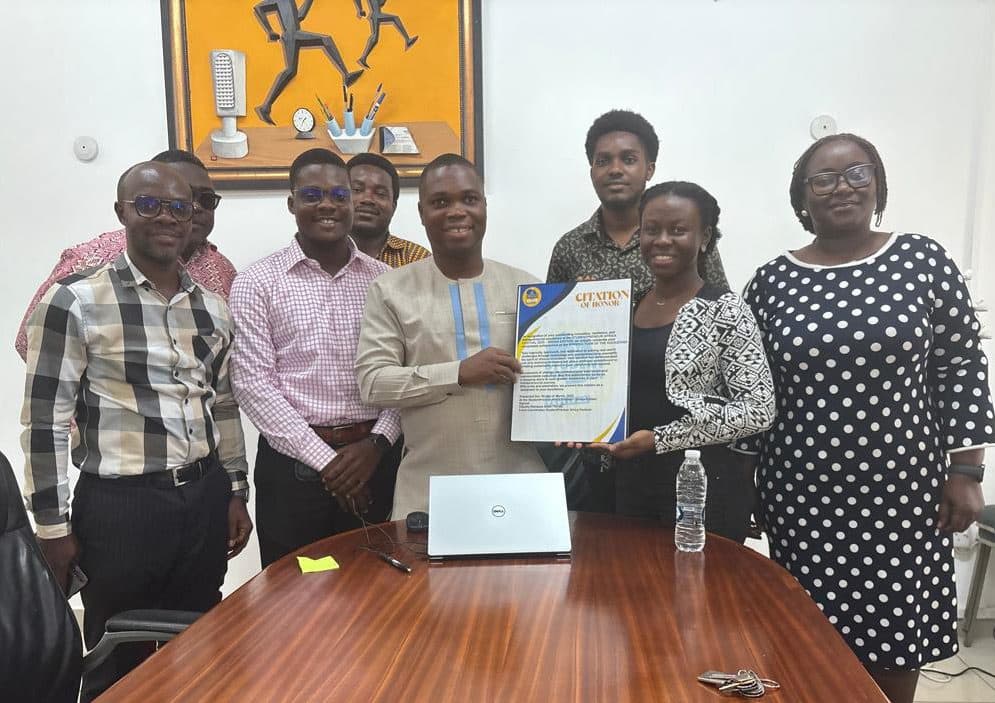
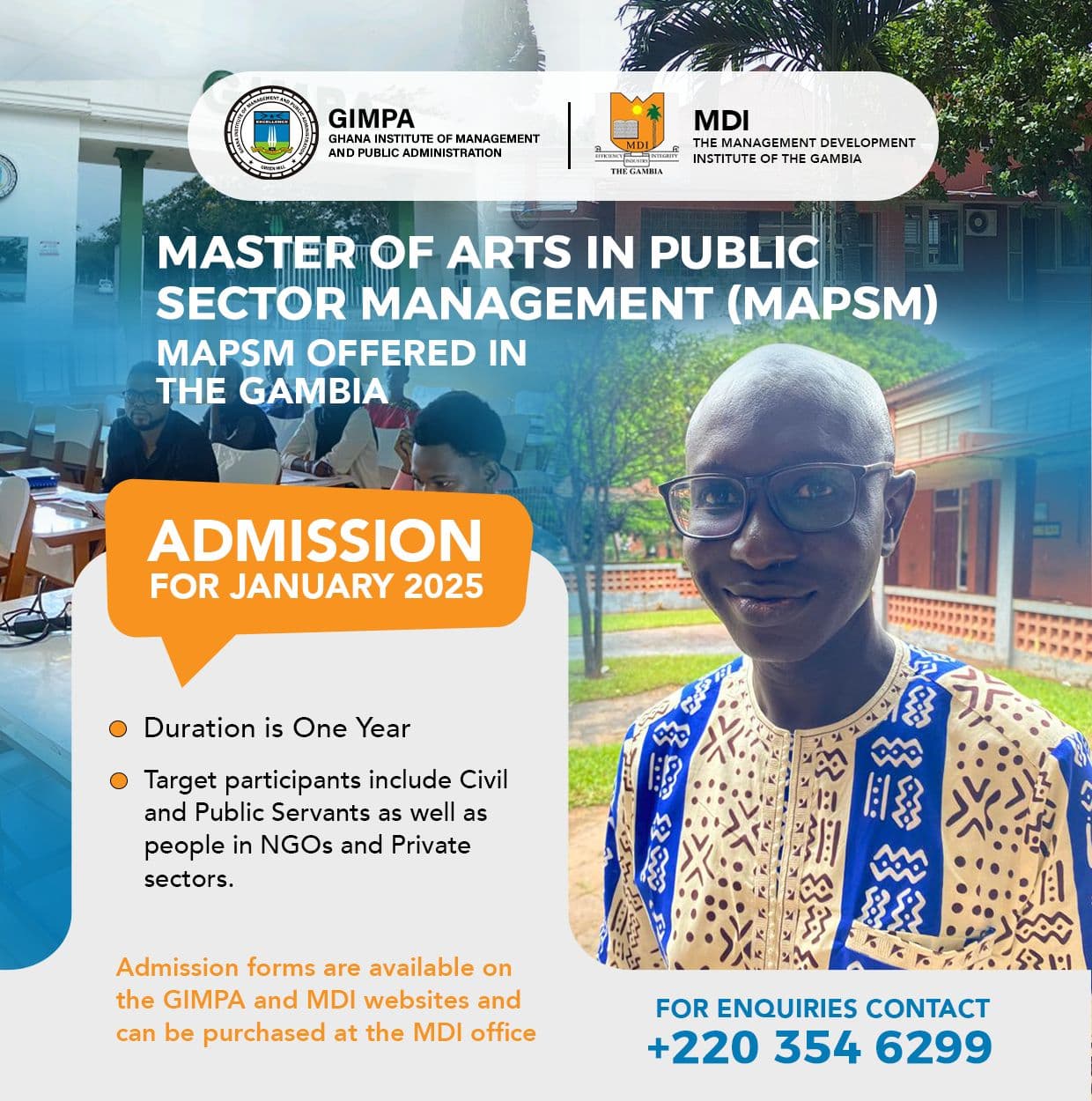
GIMPA’s School of Public Service and Governance and the Management Development Institute of The Gambia launched a collaborative Master of Arts in Public Sector Management, scheduled to commence in January 2025. The programme is designed for public and private sector professionals to strengthen governance and operational efficiency in West Africa.
A visit by John Smagula, Assistant Dean of Temple University’s Beasley School of Law, included an information session for GIMPA law students and alumni on 19 September 2024, opening LL.M and exchange opportunities and strengthening the schools’ academic collaboration.
Prof. Adwoa Yirenkyi-Fianko, Head of GIMPA’s Department of Management Science, published with Jemima Ottou a study of heavy metal concentrations in surface water of the Birim Basin after a one-year ban on artisanal and small-scale mining (Cogent Engineering, 2024). Her listed research interests include environmental sustainability of projects, water quality and treatment, and mining impacts.
GIMPA’s Research Newsletter (Vol. 1, Issue 1) features a study by Prof. Fanny Adams Quagrainie of the Business School on the entrepreneurial competencies of successful indigenous women entrepreneurs and their impact on poverty alleviation. The study drew on 27 indigenous women entrepreneurs and 80 poor persons who had benefited from their support.
As part of GIMPA Business School’s 2024 Business Week, the GIMPA Business Students Association held a community outreach at Dome Market on 20 April 2024, educating traders, many of them market women, on digital marketing, social media marketing, book-keeping and customer relationship management. The association also renovated the female ward (Ward 1) at Achimota Hospital.
GIMPA researchers Vivian Osei, Disraeli Asante-Darko and Amoako Kwarteng surveyed 380 firms in Ghana to test how competitive strategy and circular economy practice implementation relate to corporate sustainability performance. Published in Business Strategy and the Environment, the study is featured in the first GIMPA Research Newsletter (September 2025).
GIMPA, with the Konrad Adenauer Stiftung, held the maiden Youth Experts Video Contest on Plastic Waste Challenges and Solutions, themed 'Reimaging Plastic: Youth Solutions for a Sustainable Future'. Nine young filmmakers from Greater Accra, Western and Ashanti regions made five-minute documentaries on plastic waste management; winning entries proposed turning plastic waste into fuel, paving blocks and bricks.
GIMPA and the Konrad Adenauer Stiftung held a day-long seminar on human rights in Ghana’s small-scale mining sector, attended by mining professionals, academics, human rights activists and officials from ministries and the Forestry Commission. The Rector, Prof. Samuel Kwaku Bonsu, gave the keynote 'Organising Precarity: Ghana’s Artisanal Small-Scale Mining Sector in Five Stanzas’.
Judith Sitsope Apetorgbor was sworn in as president of the Graduate Students’ Association of Ghana at GIMPA, the first woman to lead the graduate student body at the Institute. Her executive includes a Gender Commissioner, and she said the position was an occasion to amplify students’ voices and encourage women to take up leadership positions.
GIMPA hosted the Ghana Youth Video Programme, screening a climate change documentary made by young Ghanaian filmmakers, followed by a panel discussion with environmentalists and academics. Partners were the UN Framework Convention on Climate Change, Wilfrid Laurier University and the Youth Climate Report; the filmmakers’ stories were intended for presentation at COP28 in Dubai.
CEPUR’s first policy brief, published in September 2023, examines automatic tariff adjustment as a pricing mechanism for utility sectors and the challenges it creates for efficiency, input choices and political economy. It recommends periodic short-interval adjustments, an optimal renewable and non-renewable mix, and governance reforms to support sustainable utility performance.
In July 2022 the Rector, Professor Samuel Kwaku Bonsu, announced that GIMPA would from February 2023 offer scholarships to about 100 needy students to read specially designed undergraduate courses. The programme, described as a corporate social responsibility initiative, was to include work placement, travel abroad and community service.
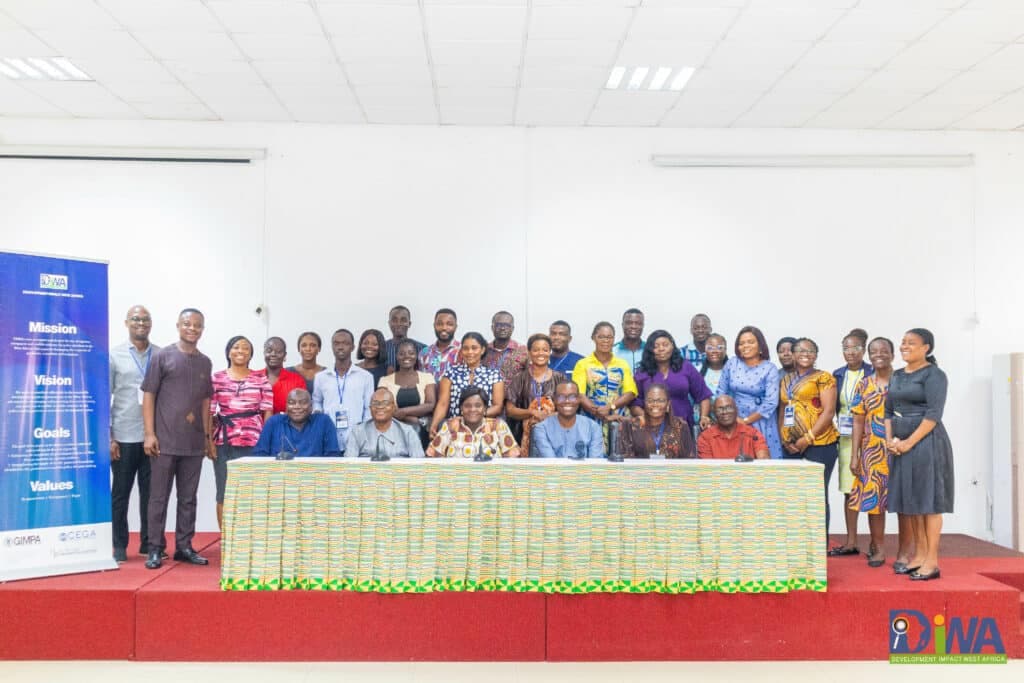
At the maiden Development Impact Summit of Development Impact West Africa (DIWA), a research initiative hosted by GIMPA with the Center for Effective Global Action and funded by the Hewlett Foundation, GIMPA lecturer Dr Richard Boso presented an evaluation of MASLOC microloans. He reported that borrowers were more likely to remain in business during the COVID-19 period than non-borrowers.
GIMPA’s Research Newsletter (September 2025) features 'Challenges of rural women living with obstetric fistula: A phenomenological study' by Prof. Stephen T. Odonkor and Theodora N. Yeboah, published in Women and Birth. The study reports psychosocial, physical and economic challenges including divorce, incontinence and loss of livelihood, leaving women dependent on family members.
The GIMPA chapter of the National Association of Public Health Students, in collaboration with the Dr Annang Foundation, offered free health screening to residents of Nungua, Accra. Over 500 people were screened for malaria, hypertension, diabetes, hepatitis B and C and HIV, with breast cancer screening, laboratory, pharmacy and counselling services also provided.
Prof. Fanny Adams Quagrainie of GIMPA Business School co-authored 'Women Micro-entrepreneurship and Social Inclusion: The Moderating Role of Individual Perceptual Factors’ in the Journal of African Business (first published online in 2022, 2023 issue). The study examines how micro-entrepreneurship increases the likelihood of women’s social inclusion, with self-efficacy, fear of failure and resilience as moderating factors.
Under Development Impact West Africa (DIWA), the GIMPA-hosted partnership with the Center for Effective Global Action, researchers are evaluating the impact of Ghana's Northern Rural Growth Programme on smallholder farmers' productivity, income and food security. The programme, which ran from 2008 to 2016, targeted the three northern regions, which contribute about forty percent of the poor in …
In a consortium with Poseidon and Innovative Services, GIMPA Consulting produced a Community Based Management report (2014) and a Legal Framework Review (2015) for the Minister of Fisheries and Aquaculture Development under the World Bank-funded West Africa Regional Fisheries Project. Both are cited in Ghana’s Policy Framework on Fisheries Co-Management (2019), which lists GIMPA among academic institutions consulted.